Insights to Better Our City — Part 3
 April 21, 2026
Insights to Better Our City — Part 3
St. Catharines is o cially on a roll. While we’ve moved past the disruptions of a few years ago, the interest in our community has stayed at an alltime high. With one eye on tomorrow—and fi rmly believing there is always room for improvement—I’m following UP with the third installment of our series. These are the “cool things” we should want and need to keep our momentum going as we shape the future of the Garden City.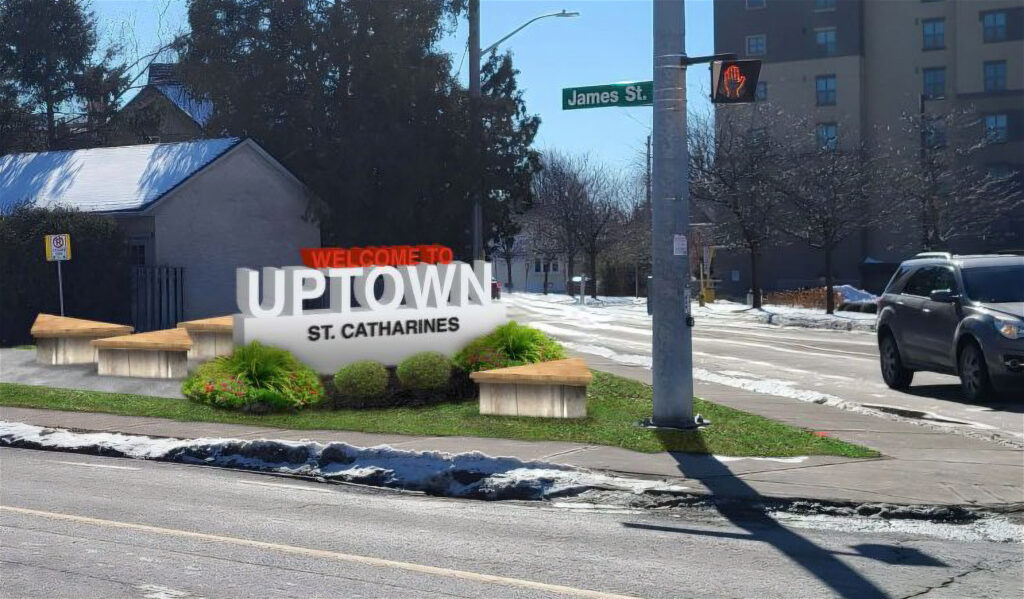
The James & Lake “Gateway” Pocket Park
For many residents and visitors, the intersection of James St. and Lake St. is the o cial handshake of our downtown core. So why aren’t we announcing it? It’s time to “Gorilla Garden” this high-visibility spot into a rad, welcoming Pocket Park. By introducing native greenery, modern seating, and perhaps a small art installation, we can transform a concrete transition zone into a green gateway. It’s about taking ownership of our urban corners and making them signal that you’ve arrived somewhere special. Who’s with me?

The James & Lake “Gateway” Pocket Park
for a skating rink in Lakeside Park was hatched but never realized. In 2026, it’s time to revisit that vision with a modern twist: a permanent, refrigerated skating path in Rennie Park. While Lakeside Park is a jewel, space there is at a premium—especially with the well-deserved focus on the Neil Peart memorial. Rennie Park is the ideal alternative. By utilizing a refrigerated design, we could enjoy skating even in +10°C weather, ensuring a reliable winter season. To top it o , we should revitalize the Historic Dalhousie House to serve as a hub for change rooms, washrooms, and housing for the Zamboni. It would turn the park into a year-round destination for families and tourists alike, breathing life into the Port during the colder months.
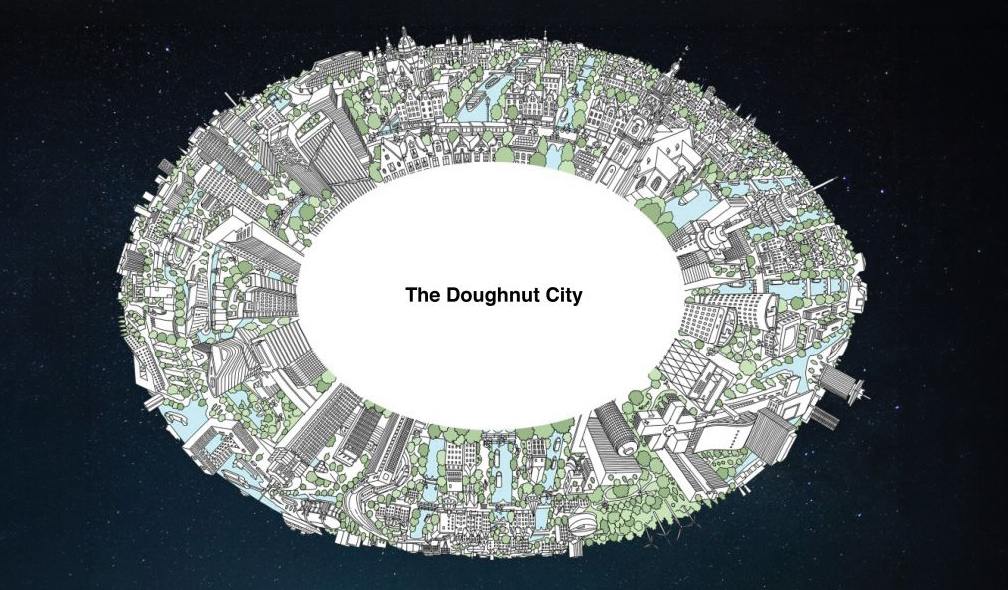
St. Catharines: The “Doughnut City” Model
While we’ll always have civic pride for our local bakeries, it’s time to adopt a di erent kind of “doughnut” for the future of St. Catharines. Inspired by Kate Raworth’s model—already being implemented in bold cities like Amsterdam, Portland, and Nanaimo—this represents a dramatic psychological reset in how we view our local economy. The Doughnut Model moves us away from chasing the “fi rst quick buck” and toward planning by design. The goal is to fi nd the “sweet spot” that balances our social foundations (a ordable housing, reliable utilities, and healthcare) with our environmental realities (renewable materials and climate resilience). By prioritizing economic sustainability over raw, unchecked growth, we create a city that isn’t just bigger, but healthier and more balanced for everyone who calls it home.
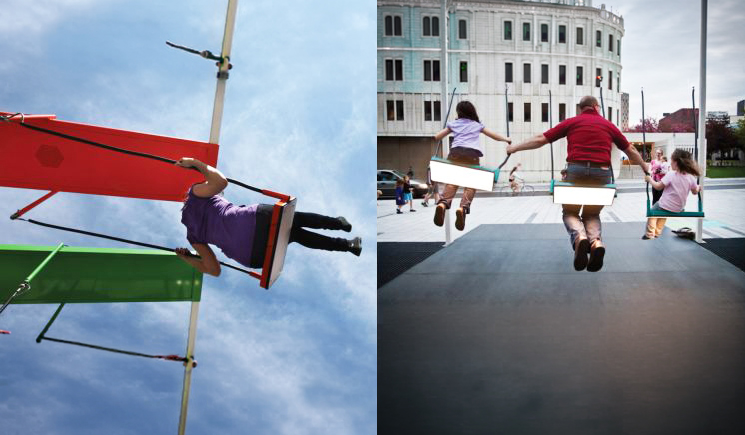
A “Living” Memorial: The Neil Peart Rhythm Installation
While a traditional statue is a nice gesture, it doesn’t quite capture the pulse of what made Neil Peart a global icon: the music. To truly honor his legacy in Lakeside Park, we should look toward a “living” work of art—something interactive that lets future generations experience the rhythm. Inspired by the “21 Swings” project in Montreal, imagine an installation where the motion of the swings triggers musical notes. When the community “swings together,” the notes harmonize to play segments of his legendary tracks. Combined with a permanent plaque detailing his history, this would turn a memorial into a collaborative, harmonious experience. It’s a way to keep his sound alive in the very place that inspired it.
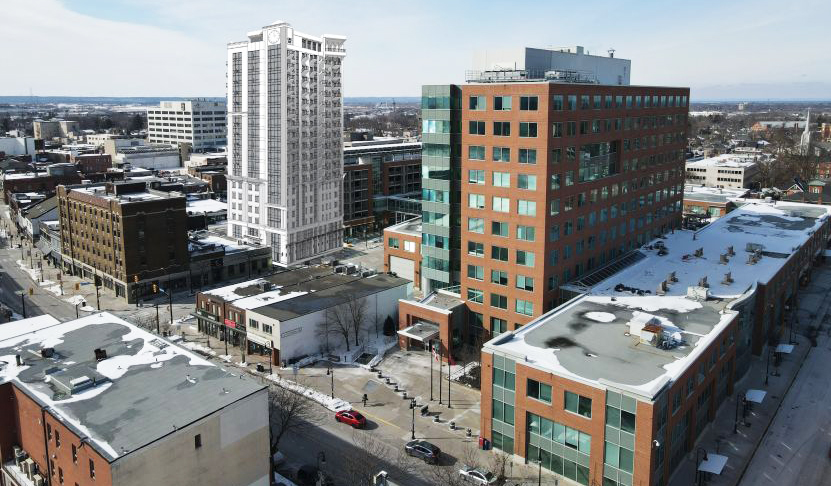
Converting the MTO into Mixed-Use Housing
Downtown’s vibrancy thrives on people, not just desks. With thousands of o ce roles having shifted to hybrid or remote models, large complexes like the Ministry of Transportation (MTO) are prime candidates for a dramatic residential retrofi t. Imagine converting this massive footprint into a mix of a ordable condo ownership and purpose-built rental housing. This isn’t just about density; it’s about creating a sustainable “Uptown” lifestyle where 1,000+ residents live, shop, and eat in the core. By following the lead of projects like the Leonard Hotel conversion and the 88 James high-rise development, we can turn a block of cubicles into a community. This is how we get the next generation’s foot in the door of homeownership while ensuring our downtown businesses have a built-in audience 24/7.

Sunset Beach: Leash-Free Zones and Bonfi re Pits
My love for Sunset Beach has no boundaries, especially with the new MCM washrooms and improved walkways. To keep that momentum going, we need a dedicated leash-free dog zone beyond the boat launch. It’s an easy “win-win” that keeps the main swimming areas safe while giving dogs a place to play. We should also introduce managed bonfi re pits. There is nothing cooler than a lakeside fi re at sunset, and cities like Toronto have already proven this can be done safely. It’s a simple, romantic addition that would make our beach a true world-class destination.
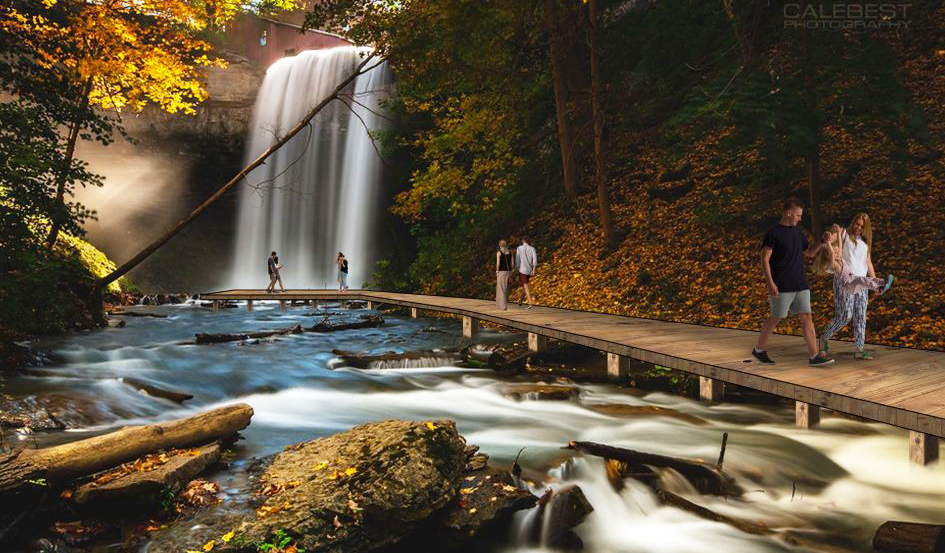
The DeCew Falls Boardwalk
You only have to look at Instagram to see that DeCew Falls is one of our most special—and dangerous—spots. Every year, we see a race between DeCew and the Niagara Gorge for the most fi refi ghter rescues because people take the “straight down” route instead of the long trail. Rather than shutting it down, let’s invest in safety. I’m proposing a staircase and an accessible boardwalk along the stream bed. By creating a managed path with limited capacity, we can make this incredible site wheelchair accessible and safe for everyone. It’s time to seize the opportunity to turn a major tourist draw into a world-class, safe experience.
The Rise of Micro-Commercial Real Estate
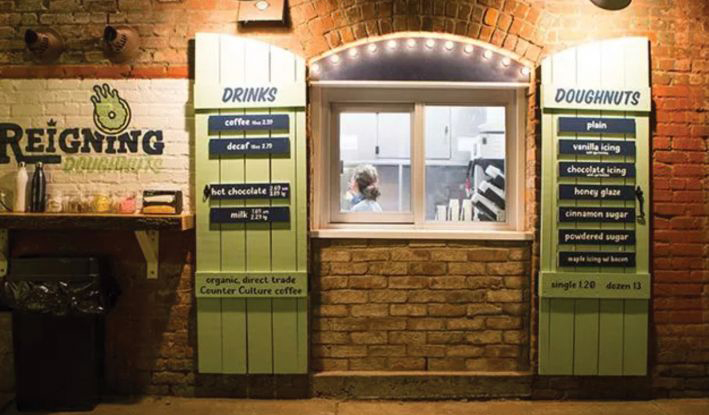
Micro-commercial is o cially the “big” thing. By utilizing small footprints—like the walk-up window at 416 Co ee Co. in Port Dalhousie— entrepreneurs are slashing overhead while staying right in the middle of high-tra c zones. This model relies on smart logistics: a tiny, highimpact storefront for the “handshake,” supported by an industrial or commissary kitchen elsewhere for the heavy lifting. From 100-square-foot doughnut shops to specialized culinary workspaces, this shift allows retail and restaurant pop-ups to thrive without the weight of traditional high-rent spaces. It’s a lean, e cient, and interactive way to build a brand. As we see more creators moving out of “home kitchen” startups and into the spotlight, Micro-Commercial is providing the perfect bridge to professional success.